Top 5 Reasons to Schedule a Back-to-School Dental Checkup for Your Child


Top 5 Reasons to Schedule a Back-to-School Dental Checkup for Your Child

The back-to-school season is full of shopping for supplies, organizing schedules, and making sure your child is ready for a successful year. While backpacks and notebooks are important, don't forget one of the most valuable school essentials—a healthy smile.

Scheduling a dental checkup before school starts helps ensure your child is free from dental problems that could interfere with learning, eating, sleeping, and feeling confident. A preventive visit now can help avoid missed school days and unexpected dental emergencies later. Here are the top five reasons why a back-to-school dental checkup should be on every family's checklist.

1. Catch Dental Problems Before They Become Bigger Issues

Many dental problems, such as cavities or weakened enamel, begin without causing pain. During a routine exam, your dentist can identify these issues early, often before your child even notices symptoms.

Treating small problems now is typically faster, less expensive, and more comfortable than waiting until they become painful or require more extensive treatment.

2. Start the School Year Pain-Free

A toothache can make it difficult for children to concentrate, eat lunch comfortably, or even sleep well at night. Dental pain often leads to missed school days and can affect academic performance.

A back-to-school checkup helps ensure your child begins the school year free from dental discomfort, allowing them to focus on learning instead of aching teeth.

3. Reinforce Healthy Brushing and Flossing Habits

Summer schedules often mean later bedtimes, vacations, and disrupted routines. As school begins, it's the perfect opportunity to get back into healthy daily habits.

Your dental team can:

  • Review proper brushing and flossing techniques.
  • Recommend age-appropriate toothbrushes and toothpaste.
  • Discuss healthy snack choices.
  • Encourage good oral hygiene habits that can last throughout the school year.

These small reminders can make a big difference in preventing cavities.

4. Protect Growing Teeth with Preventive Care

Children's teeth are constantly developing, making preventive care especially important. Depending on your child's needs, your dentist may recommend:

  • Professional dental cleaning
  • Fluoride treatment to strengthen enamel
  • Dental sealants to help protect cavity-prone molars
  • Monitoring of permanent teeth as they erupt

These preventive treatments can significantly reduce the risk of cavities throughout the school year.

5. Build Confidence with a Healthy Smile

A healthy smile helps children feel more confident in the classroom, on school picture day, during sports, and when making new friends.

Clean teeth, fresh breath, and healthy gums can boost your child's self-esteem while encouraging positive lifelong attitudes about oral health. Starting the school year with confidence is just another benefit of maintaining regular dental visits.

Conclusion

A back-to-school dental checkup is one of the simplest ways to help your child start the school year healthy and prepared. Regular dental exams allow your dentist to detect problems early, provide preventive care, and reinforce healthy habits that keep smiles bright all year long.

Before the first school bell rings, take a moment to schedule your child's dental appointment. A healthy smile supports better learning, greater confidence, and fewer interruptions throughout the school year. It's a small investment that can make a big difference in your child's overall health and success.

Contact Us

Dr. Frank Esfandiari makes it easy to get back on track if it's been a while since you've seen the dentist.

You can make an appointment online by clicking here, or call us at 805-647-6100.

Are You Brushing Right? Top 5 Ways to Know You Are!

Are You Brushing Right? Top 5 Ways to Know You Are!

Proper tooth brushing is crucial for maintaining good oral hygiene. Here's an outline of the top 5 things you can do to ensure you're brushing your teeth correctly:

1. Use the Right Toothbrush 

  • Choose a toothbrush with soft bristles to avoid damaging your gums and tooth enamel.
  • Ensure the brush head is small enough to reach all areas of your mouth, including the back molars.
  • Consider using an electric toothbrush with oscillating or rotating bristles for more effective plaque removal.

2. Correct Brushing Technique 

  • Hold your toothbrush at a 45-degree angle to your gums.
  • Use short, gentle strokes and brush both the outer and inner surfaces of your teeth.
  • Pay special attention to the chewing surfaces and the back of your molars.
  • Brush your tongue to remove bacteria and freshen your breath.

3. Brush for the Right Duration

  • Brush your teeth for a minimum of two minutes to ensure thorough cleaning.
  • Divide your mouth into quadrants and spend at least 30 seconds on each section.
  • Use a timer or an electric toothbrush with a built-in timer to help you maintain the correct brushing duration.

4. Use Fluoride Toothpaste

  • Choose a toothpaste that contains fluoride to help strengthen tooth enamel and prevent tooth decay.
  • Use a pea-sized amount of toothpaste on your toothbrush.
  • Spit out the excess toothpaste after brushing, but don't rinse your mouth immediately to allow the fluoride to continue working.

5. Replace Your Toothbrush Regularly

  • Change your toothbrush or toothbrush head every three to four months, or sooner if the bristles appear frayed.
  • A worn-out toothbrush is less effective at cleaning your teeth and may harbor bacteria.
  • Consider replacing your toothbrush after recovering from an illness to prevent the risk of reinfection.

Make an Appointment with Dr. Esfandiari 

If you haven't seen a Dentist in a while, don't worry. You can make an appointment to see Dr. Esfandiari and get back on track with your preventative dental health care. Call the Ventura office to make an appointment 805-647-6100 or click here to make an appointment online.

Take A Tour

We've launched a new video for you to see what's inside our Ventura office. When choosing a dentist we know it's important to feel safe, comfortable and familiar with your surroundings.

5 Simple Things You Can Do To Reduce Your Risk of Cavities


Can You Reduce Your Risk of Cavities? 

Believe it or not, it is easy to reduce your risk of getting cavities despite what you may have heard. While some patients may be more prone to tooth decay, overall dental health contributes to reduction in cavities. It's easier than you think. Here's the Top 5 ways to reduce your risk of cavities.

1. Knowing Your Dental Risk

With regular examinations and discussion with Dr. Esfandiari you will know where you stand, which treatments you need and any changes you may need to make to improve your oral hygiene or diet. Knowing your risk level allows you to take a more proactive approach to improving your oral health.

2. Regular Brushing

Regular brushing is imperative to maintaining your overall dental health. With bacteria and plaque brushing your teeth is one of the most effective ways to cavity prevention. Be sure to brush after meals and more importantly, brush before bed. Brushing before bed is particularly important because bacteria linger on your teeth overnight and can allow enamel-damaging acid to form.

Using a soft brush is also important for your overall gum health. Additionally, Dr. Frank recommends a microbial mouthwash to clean away the bacteria after brushing.

3. No Sugary Drinks

Drinks like soda, juice and even some coffee drinks are high in sugar and directly linked to an increase in cavities.  Prolonged exposure to acidic coffee or tea - which often also contain sugar and milk - increase your risk for new cavities. If you do drink coffee or tea, try to limit yourself to 20 minutes or less. Using a straw also helps reduce exposure to the acidity of coffee or tea.  Drinking more water is also another easy thing you can do to reduce your risk of developing cavities.

4. Regular Brushing

Regular brushing is imperative to maintaining your overall dental health. With bacteria and plaque brushing your teeth is one of the most effective ways to cavity prevention. Be sure to brush after meals and more importantly, brush before bed. Brushing before bed is particularly important because bacteria linger on your teeth overnight and can allow enamel-damaging acid to form.

Using a soft brush is also important for your overall gum health. Additionally, Dr. Frank recommends a microbial mouthwash to clean away the bacteria after brushing.

5. Regular Flossing

Our teeth have five sides and all of them need to be cleaned on a regular basis. Even when we brush every day, we’re only cleaning 3 of those sides. Regular flossing ensures you’re cleaning all sides of your teeth.

Flossing before bed and after meals is ideal for maintaining your overall dental health.

Make an Appointment with Dr. Esfandiari 

If you haven't seen a Dentist in a while, don't worry. You can make an appointment to see Dr. Esfandiari and get back on track with your preventative dental health care. Call the Ventura office to make an appointment 805-647-6100 or click here to make an appointment online.

Take A Tour

We've launched a new video for you to see what's inside our Ventura office. When choosing a dentist we know it's important to feel safe, comfortable and familiar with your surroundings.

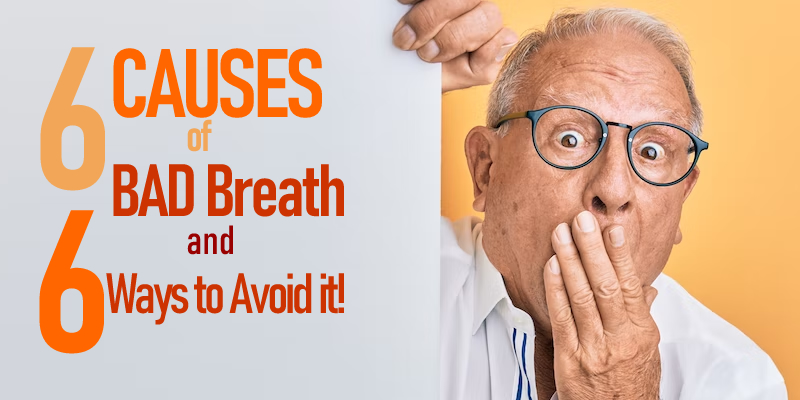
6 Tips How To Avoid Bad Breath

6 Causes & 6 Solutions for Bad Breath 

Bad breath is common, so you’re not alone. Studies show that 50 percent of adults have had bad breath, or halitosis, at some point in their lives. 

What Causes Bad Breath? 

There are a number of reasons that could be causing your "dragon breath." While many causes are harmless, it can be a sign of something more serious. 

Bacteria 

Bad breath is caused by hundreds of bad-breath-causing bacteria that live in your mouth. Your mouth is a perfect location for these bacteria to grow because you eat and that bacteria feed on the food left in your mouth. That bacteria then produces waste which can lead to a foul-smell. 

Dry Mouth 

If you're mouth is constantly dry it might not be making enough saliva and contributing to your bad breath. Saliva is important because it works to wash out your mouth. Having a dry mouth can be caused by certain medications, salivary gland problems or by simply breathing through your mouth. 

Gum Disease

Persistent bad breath or a constant bad taste in your mouth can be a warning sign of advanced gum disease, which is caused by a cavity-causing bacteria called plaque. 

Food

Garlic, onions, coffee… The list of breath-offending foods is long, and what you eat affects the air you exhale.

Smoking and Tobacco

Smoking stains your teeth, gives you bad breath and puts you at risk for a host of health problems. Tobacco reduces your ability to taste foods and irritates gum tissues. Tobacco users are more likely to suffer from gum disease. Since smoking also affects your sense of smell, smokers may not be aware of how their breath smells. 

Medical Conditions 

 Mouth infections can cause bad breath. However, if your dentist has ruled out other causes and you brush and floss every day, your bad breath could be the result of another problem, such as a sinus condition, gastric reflux, diabetes, liver or kidney disease. In this case, see your healthcare provider. 

How Can I Keep Bad Breath Away? 

Brush and Floss 

Brush twice a day and clean between your teeth daily with floss to get rid of all that bacteria that’s causing your bad breath. 

Mouthwash 

Over-the-counter mouthwashes can help kill bacteria or neutralize and temporarily mask bad breath. It’s only a temporary solution, however. The longer you wait to brush and floss away food in your mouth, the more likely your breath will offend.

Clean Your Dentures 

If you wear removable dentures, take them out at night, and clean them thoroughly before using them again the next morning. 

Keep That Saliva Flowing 

To get more saliva moving in your mouth, try eating healthy foods that require a lot of chewing, like carrots or apples. You can also try chewing sugar-free gum or sucking on sugar-free candies.

Quit Smoking

Giving up this dangerous habit is good for your body in many ways. Not only will you have better breath, you’ll have a better quality of life.

Make an Appointment with Dr. Esfandiari 

If you’re concerned about what’s causing your bad breath, make an appointment to see Dr. Esfandiari. Regular checkups allows him to detect any problems such as gum disease or dry mouth. 

Contact Us 

Dr. Frank Esfandiari makes it easy to get back on track if it's been a while since you've seen the dentist. Call the Ventura office to make an appointment 805-647-6100 or click here to make an appointment online.

Take A Tour

We've launched a new video for you to see what's inside our Ventura office. When choosing a dentist we know it's important to feel safe, comfortable and familiar with your surroundings.

10 Things You Don't Know About Your Toothbrush


10 Things You Don't Know About Your Toothbrush

We use it daily, but how well do you know your toothbrush?

1. Yes, you should look for the ADA Seal when choosing a toothbrush.
The ADA Seal of Acceptance is the gold standard for toothbrush quality. It’s how you’ll know your toothbrush was evaluated to make sure bristles won’t fall out with normal use, the handle will stay strong and the toothbrush will help reduce your risk for cavities and gum disease.

2. The toothbrush is 5,000 years old. 
Ancient civilizations used a thin twig to remove food from teeth. Over time, toothbrushes evolved and made from bone and even bristles of hogs & boars. The modern-day nylon-bristled toothbrush we now know was invented in 1938. 

3. The first mass-produced toothbrush was invented in prison. 
In 1770, an Englishman named William Addis was jailed for inciting a riot. He saw fellow prisoners using a rag covered in soot or salt to clean their teeth. Addis saved an animal bone from dinner and received bristles from a guard. Accounts state he bore tiny holes into the bone, inserted the bristles and sealed them with glue. After his release, he modified his prototype & started Wisdom Toothbrushes, which still exists in the UK.

4.  Manual or powered? Your teeth don’t care.
Manual or powered toothbrush? It does not matter. You just need to brush twice a day for two minutes with a fluoride toothpaste. Both types of toothbrush can effectively clean your teeth. 

5. There is no “correct” order for brushing and flossing.
Brushing before flossing, flossing before brushing - it doesn’t matter to your teeth, as long as you do both.

6. Toothbrushes like to be left out in the open.
If you store your toothbrush with other toothbrushes, make sure they are separated to prevent cross contamination. A moist environment such as a closed container is more conducive to the growth of unwanted bacteria than the open air.

7. Lifespan = 3-4 Months
Make sure to replace your toothbrush every three to four months, or sooner if the bristles are frayed. A worn toothbrush won’t do as good of a job cleaning your teeth. 

8. When it comes to choosing a brush, go soft.
Whether you use a manual or powered toothbrush you should choose a soft-bristled brush. Firm or even medium-strength bristles may cause damage to your gums and enamel. When brushing your teeth, don’t scrub vigorously—only brush hard enough to clean the film off your teeth.

9. Remember: 2 minutes, 2 times a day.
4 minutes a day goes a long way for your dental health. Put the time in each day to keep your smile healthy.

10. Sharing is caring, but not for toothbrushes.
Sharing a toothbrush can mean you’re also sharing germs and bacteria. This could be a particular concern if you have a cold or flu to spread, or you have a condition that leaves your immune system compromised. 

Contact Us 

Dr. Frank Esfandiari makes it easy to get back on track if it's been a while since you've seen the dentist. You can make an appointment online by clicking here, or call us at 805-647-6100.


Take A Tour

We've launched a new video for you to see what's inside our Ventura office. When choosing a dentist we know it's important to feel safe, comfortable and familiar with your surroundings.

Happy New Year means a Happy New You for 2022


Happy New Year! Let 2022 be the year you improve your dental health and give yourself the gift of a great smile. Dr. Frank Esfandiari makes it easy to get back on track if it's been a while since you've seen the dentist. You can make an appointment online by clicking here, or call us 805-647-6100.

Take A Tour

We've launched a new video for you to see what's inside our Ventura office. When choosing a dentist we know it's important to feel safe, comfortable and familiar with your surroundings.


Show The World Your Smile


It may have been a while since you've seen a dentist, but we're to help you get back on track.  We want to make your smile something you can be proud of. You can make an appointment online by clicking here, or call us 805-647-6100.

Take A Tour

We've launched a new video for you to see what's inside our Ventura office. When choosing a dentist we know it's important to feel safe, comfortable and familiar with your surroundings.


What To Expect At The Dentist


At Dr. Esfandiari's offices we're dedicated to providing you and your family a safe dental visit, so we're taking every possible safety precaution when it comes to COVID19. An October 2020 report published in The Journal of the American Dental Association found that fewer than one percent of dentists nationwide were found to have had COVID-19, and a more recent study in February of this year also found a low infection rate among dental hygienists.

We're using enhanced infection control procedures such as screening protocol intake, temperature readings and enhanced disinfection practices when treating patients.  

Before Your Appointment
To help make sure that patients arriving for their appointments are healthy we ask you fill out a COVID19 questionnaire.

We ask that you also limit the number of people you bring to the appointment. That could mean leaving your children at home or allowing older children to go into the office alone while their parent waits outside during their appointment.

At Your Appointment
When you arrive at the office we require all patients be masked and you will have your temperature taken.

Inside the office, you may notice things people often touch in the waiting room have been removed to cut down on transmitting virus germs.  We also provide hand sanitizer for you to use and may wipe down items you touch, such as pens, clipboards or furniture.

When you’re in the dental chair, you may notice some things look different from the last time you were there. We've covered the chairs with plastic to decrease the likelihood of transmission.  Dr. Esfandiari is also using different protective equipment than he's used at previous appointments as is his staff.  These additional precautions help protect both you and the dentist.

After Your Appointment
After your appointment is over, the staff will thoroughly clean the areas where you’ve been using disinfectants that are effective against the virus that causes COVID-19 to prepare for the next patient. This helps reduce the risk of illness being passed to others.

If you start feeling ill with the symptoms of COVID-19 within two days of your appointment, call us. You may have already been carrying the virus at the time of your appointment, so anyone who came into contact with you during that time could be at risk for getting sick too.

Remember, regular dental visits are an essential part of your overall heath. Be sure to reschedule your dental checkups. Dr. Esfandiari will make sure your visit is as safe as possible for everyone involved.

New Year's Resolutions For A Healthy Smile


You might have already started about your New Year's resolutions for a healthy smile. Maybe it's to save more money, get a better job or lose some weight. Many people set new goals about having a healthy lifestyle in 2019.

Whatever your goals might be, it is important to take small steps to achieve them. Consistency is key with any resolution that you make.

Your dental health is an important part of your overall wellness, and the New Year is a great time to create resolutions for improving your health.

Healthy resolutions can keep your teeth healthy, and any of the following strategies will go a long way toward giving you a brighter, healthier smile in the coming year:


Quit Smoking or Using Other Tobacco Products

Using tobacco can harm your mouth in a number of ways, increasing your risk for tooth discoloration, cavities, gum recession, gum disease and throat, lung and oral cancer. Smokers are about twice as likely to lose their teeth as non-smokers. It’s not just smoking tobacco that has negative effects on your oral health: use of smokeless tobacco can be just as harmful to your oral health. The good news is that the risk of tooth loss decreases after you quit smoking or using smokeless tobacco.


Limit Your Alcohol Intake

You may already know that excessive alcohol intake can have an effect on your overall health, but did you know that it may also affect your oral health? According to the Academy of General Dentistry, those who smoke, eat poorly and consume excessive alcohol also have increased gum recession (periodontal pocketing). Their studies show that smokers who regularly consume alcohol are less likely to brush their teeth on a regular basis and are less concerned about their basic health than nonsmokers.


Eat Plenty of Fruits and Vegetables

Eating well is important for your dental health. Poor nutrition can affect the entire immune system, increasing susceptibility to many common oral disorders, including gum (periodontal) disease. Antioxidants and other nutrients found in fruits, vegetables, legumes and nuts improve your body’s ability to fight bacteria and inflammation, helping to protect your teeth and gums. In addition, crisp fruits and raw vegetables like apples, carrots and celery help clean plaque from teeth and freshen breath.


Brush at Least Twice a Day and Floss at Least Once a Day

Brushing and flossing protect your teeth from decay and gum disease, which is caused by your teeth’s most persistent enemy, plaque – a sticky, colorless, invisible film of harmful bacteria that builds up on your teeth every day. Both brushing and flossing are equally important for good oral health: according to the Academy of General Dentistry, only flossing can remove plaque from between teeth and below the gumline, where decay and gum disease often begins.

Without proper brushing and flossing, you may develop bleeding gums, which may worsen to severely swollen, red, bleeding gums (gingivitis) and, eventually, gum disease. Because diseases of the mouth can affect the rest of your body, it is especially important to maintain good oral health.


See Your Ventura Dentist, Dr. Frank Esfandiari for Regular Checkups

By seeing your dentist in Ventura, CA, Dr. Frank Esfandiari at least twice a year, you can help prevent any dental health problems before they cause discomfort or require more comprehensive or expensive treatment. Regular visits allow Dr. Esfandiari to monitor your oral health and recommend a dental health regimen to address areas of concern.

For this new year, resolve to treat your mouth right: improve your diet, quit smoking and improve your oral hygiene habits – your teeth and your body will thank you for it!

For more information about regular dental checkups, please contact our Ventura dentist office today!